

Egypt Tourism Safety Concerns 2026: Practical Guidance for Confident Travel
At a Glance
Egypt remains a popular destination; most travelers experience it safely with structured plans.
Safety tips include using licensed guides, pre-arranged transport, and staying in well-known areas.
Check travel advisories for entry requirements and regions to avoid.
Popular routes like Cairo, Luxor, and Aswan offer reliable infrastructure and cultural experiences.
Responsible travel practices enhance safety and respect local customs.

Egypt tourism safety concerns 2026 are real planning inputs, not reasons to pause your trip by default. Most travelers experience Egypt smoothly, especially on classic routes in Cairo, Luxor, and Aswan. The difference is structure. Clear itineraries. Licensed guides. Reliable transport. Local advice followed daily.
This guide focuses on practical decisions that reduce risk and friction. It also answers the planning question many travelers are searching for in plain terms: Is it safe to travel to Egypt in 2026?
The Safety Baseline for Egypt in 2026
Egypt receives travelers year-round across its main tourism regions. Popular cultural routes are built around established visitor infrastructure: hotels, guided site access, and point-to-point transfers.
For most itineraries, “safe” looks like this:
Staying in well-known visitor zones
Using licensed guides for major sites and city touring
Choosing pre-arranged transportation instead of ad-hoc rides
Following local instructions at monuments, museums, and religious sites
When we plan trips, we treat safety as a logistics system. Timing, routing, and on-ground coordination. That approach directly addresses Egypt tourism safety issues that tend to affect travelers most: confusion, inconsistent transport, and avoidable exposure to high-friction areas.
Egypt Travel Advisory Signals to Check Before You Fly
An Egypt travel advisory is one of the best tools for reality-based planning because it changes when conditions change. Use it to confirm:
Regions to avoid
Entry/exit requirements and documentation updates
Local movement considerations
Any time-sensitive alerts that can influence routing
For authoritative, up-to-date information, review: U.S. Department of State travel advisory for Egypt.
Use the advisory as a routing filter, not as a substitute for an itinerary. Your day-to-day experience is shaped more by where you stay, how you move, and who is responsible for your on-ground operations.
Safety in Cairo: Practical City Planning That Works
Safety in Cairo is usually about pace and positioning. Cairo is a major capital city with heavy traffic, dense neighborhoods, and big distances between highlights. The best safety outcomes come from reducing improvisation.
Egypt travel safety tips for Cairo that we build into trip design:
Pre-arranged transfers for airport pickup and daily touring
Early starts for major sites to avoid peak congestion
A clear site sequence that minimizes cross-city backtracking
A licensed guide for context, routing, and on-the-spot decisions
For a classic, well-structured day that keeps logistics simple, consider a private route that combines the major monuments outside the city core: a private Giza, Saqqara, and Memphis day plan from Cairo.
“We ate at the Silk Road restaurant and it was amazing! I didn’t have high expectations initially but the chef, Amira, cooked some amazing food. We were really impressed! Also the service by Radwan and Moustafa was great.”
— TripAdvisor, 5.00
“We had a lovely meal here whilst staying at the Hilton, Radwan an moustfa were super kind and attentionate. A big thanks to Amira who cooked the best butter chicken I’ve had in a long time !!!! Literally cleaned the plate with this buttery naan !!!! So so good . Will hit any Indian food cravings 😍!!! Thank you all”
— TripAdvisor, 5.00
“Unforgettable experience on the Swan. First thing to surprise me was the beauty and comfort of the room, together with the kindness of the perso nel, which was outstanding. Spent 4 nights in luxury, with great food, amazing service and cleaness, and visiting some of the most incredible places in Egypt. Fully recommended!!”
— TripAdvisor, 5.00
Luxor and Aswan: High-Confidence Cultural Routes
Upper Egypt touring is one of the most straightforward ways to experience the country. Luxor and Aswan are built for cultural travel: temples, tombs, river-based routing, and predictable sightseeing patterns.
This is why travel to Egypt safety 2026 planning often centers on these regions:
Sightseeing is concentrated in defined zones (East Bank / West Bank, temple complexes, cruise docks)
Transfers are easy to standardize
Guided touring is the norm, not the exception
Egypt Tourist Security on the Nile Corridor
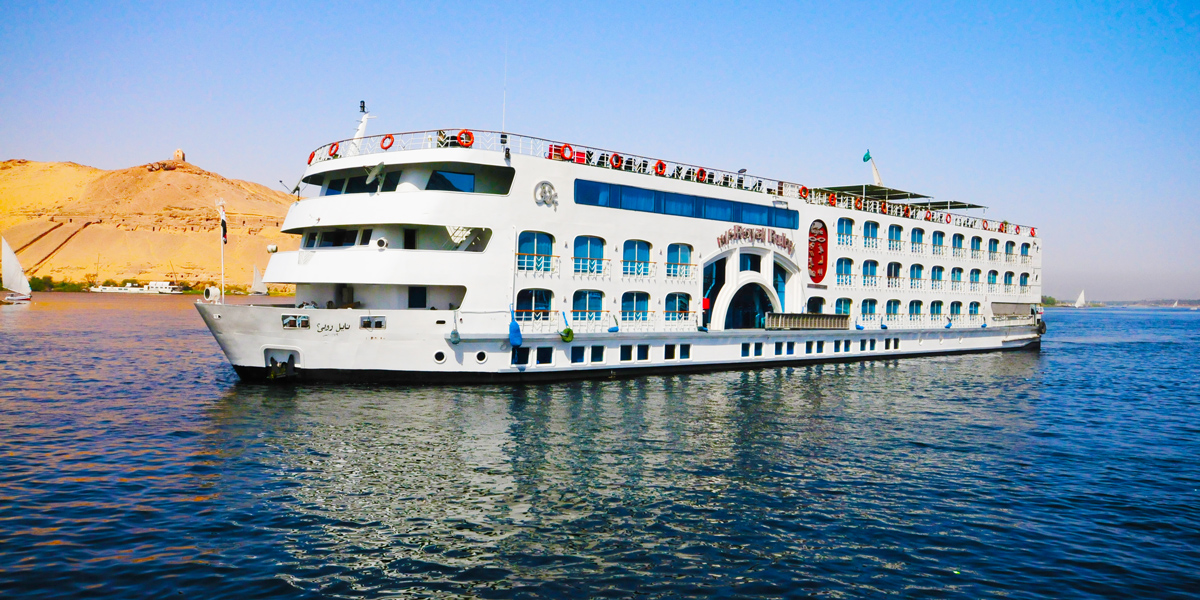
Egypt tourist security is strongest when your itinerary is organized around a coherent corridor rather than scattered day trips. Nile cruising naturally does this. You move between Luxor and Aswan with scheduled shore excursions and managed embark/disembark logistics.
If you want a simple cultural backbone for your trip, use a dedicated cruise segment such as: a 7-night Luxor–Aswan Nile cruise framework.

Alexandria and the Red Sea: Extensions With Different Risk Profiles
Egypt tourism safety issues vary by travel style. A museum-and-monuments itinerary behaves differently than a beach extension, and a long transfer day behaves differently than a compact city stay.
Alexandria as a Cultural Add-On
Alexandria is commonly added for Mediterranean-era heritage and a change of pace. The main planning factor is time management. Day trips are long, so the safety advantage comes from minimizing uncertainty with private routing and a fixed schedule.
A focused option is: a private Alexandria day tour from Cairo.
Red Sea Leisure Extensions
Hurghada, Marsa Alam, and Sharm El-Sheikh are used mainly for rest days after cultural touring. The safety planning here is less about monuments and more about operator quality, transport timing, and choosing excursions that match your comfort level.
For a structured day on the water, consider: a Ras Mohamed boat day in Sharm El-Sheikh.
Egypt Travel Safety Tips We Build Into Every Itinerary
Egypt travel safety tips work best when they are operational, not generic. These are the trip-design rules we use to reduce exposure to common friction points.
Movement and Transport
Private or pre-arranged transfers for inter-city days
Buffer time for traffic-heavy segments
Clear pickup points and written daily timing
Domestic flights when a road transfer creates unnecessary fatigue (case-by-case)
Guided Touring and Site Days
Licensed guides for major archaeological and heritage sites
Defined “no-shopping” routing when requested
Site sequencing that reduces backtracking and late-day arrivals
Early starts for high-demand monuments
Personal Planning Habits
Keep documents and essentials organized for hotel check-ins and site entry
Dress and behavior aligned with religious-site norms
Avoid last-minute plan changes that create rushed transfers
Follow local instructions at monuments, museums, and security checkpoints
These practices directly address Egypt tourism safety concerns 2026 because they reduce the situations where travelers feel uncertain: unclear transport, unclear timing, and unclear responsibilities.
Common Safety Friction Points and How We Reduce Them
“What are the current safety concerns for tourists in Egypt?” often translates to a few recurring travel moments. Not constant danger. Just avoidable stress.
High-traffic days in big cities
Solution: fewer daily stops, earlier starts, and a fixed route.
Long transfer days
Solution: break the itinerary into logical regions, add rest nights, or use flights when appropriate.
Overpacked sightseeing
Solution: prioritize. Cairo plus a Nile segment is already a full cultural arc.
Unclear inclusions
Solution: written confirmation of what is included (guides, transfers, entry passes, meals as stated) and what remains personal responsibility (visas, insurance, gratuities, optional extras).
Regions, Trip Styles, and Safety Planning at a Glance
Use this table as a planning lens. It’s not a rating system. It’s a routing tool.
Region / Trip Style | Typical Visitor Experience | Main Planning Focus | Best-Fit Support |
|---|---|---|---|
Cairo & Giza | Big-city touring + flagship monuments | Traffic, timing, clear routing | Private transfers + licensed guide |
Luxor | Dense archaeological days | Heat management, site sequencing | Guided touring + paced itinerary |
Aswan | River culture + temples + excursions | Excursion timing (e.g., Abu Simbel) | Pre-arranged transport + clear start times |
Nile Corridor | Cruise-based cultural travel | Consistent logistics, shore scheduling | Cruise program with managed excursions |
Alexandria | Coastal heritage extension | Long day-trip pacing | Private day routing |
Red Sea | Leisure extension + water activities | Operator quality, excursion selection | Structured day tours and reputable operators |
Responsible Travel Choices That Also Improve Safety
Responsible practices are not separate from safety. They reduce conflict, confusion, and unwanted attention.
Respect religious-site etiquette in Islamic and Coptic areas
Choose experiences that protect community dignity during village visits
Decline animal-based activities if they don’t align with your preferences
Keep photography respectful in lived-in neighborhoods and worship spaces
For travelers building a heritage-focused route that includes Coptic history, consider a structured journey theme like: a Holy Family heritage itinerary across key sites.

Seasonal Timing: When Planning Supports Safety
Seasonality matters because comfort affects decision-making. For cultural touring, October through April is typically the easiest window for long site days and Nile cruising.
Practical planning benefits:
More comfortable daytime touring for temples and tombs
Easier pacing for multi-site itineraries
Better tolerance for longer excursions and early starts
Peak travel periods can increase demand for cruises and domestic flights. The planning answer is simple: reserve earlier when your route depends on specific sailing dates or cabin categories.
Putting It Together: A Simple, Safety-Forward Egypt Framework
If you want a clean structure that keeps decisions easy, use one of these proven shapes:
Cairo + Luxor + Aswan (classic cultural arc)
Cairo + Nile cruise (logistics-forward, low improvisation)
Cairo + Alexandria + Nile (heritage expansion with a defined add-on)
Cairo + Nile + Red Sea (culture first, rest days last)
This is where we return to the core planning query: Is it safe to travel to Egypt in 2026? With the right routing, licensed guides, and pre-arranged transport, most travelers experience Egypt confidently on the main tourism circuit. That is the practical response to Egypt tourism safety concerns 2026.
[Primary CTA: Ready to explore Egypt with confidence?]
[Secondary CTA: Explore tour options.]
Frequently Asked Questions
1. Is it safe to travel to Egypt in 2026?
Traveling to Egypt in 2026 is generally considered safe, especially if you follow structured itineraries, use licensed guides, and rely on pre-arranged transportation. Most travelers have smooth experiences on popular routes such as Cairo, Luxor, and Aswan. Safety is enhanced by staying in well-known visitor zones and following local advice.
2. What are the current safety concerns for tourists in Egypt?
Current safety concerns for tourists in Egypt often relate to logistical issues such as confusion, inconsistent transport, and high-friction areas. These are typically addressed by clear itineraries, reliable transport, and adherence to local instructions at tourist sites. For the latest updates, you can check the Egypt Travel Advisory.
3. How can I ensure my safety while visiting Cairo?
To ensure safety in Cairo, plan your visits with pre-arranged transfers, start early to avoid congestion, and use a licensed guide for navigating the city. This approach reduces improvisation and enhances your overall experience in this busy capital.
4. What are the benefits of touring Luxor and Aswan?
Touring Luxor and Aswan offers a straightforward cultural experience with concentrated sightseeing zones and standardized transfers. Guided tours are the norm, providing structure and ease of movement between sites. These regions are popular for their temples, tombs, and river-based routes.
5. How do I plan a safe trip extension to Alexandria or the Red Sea?
For Alexandria, the main safety consideration is time management on long day trips, which is best managed with private routing and a fixed schedule. In the Red Sea region, focus on operator quality, transport timing, and selecting excursions that align with your comfort level to ensure a safe leisure experience.

Comment (0)