

Reasons to Visit Luxor Egypt: Temples, Tombs, and Nile Sunrises
At a Glance
Luxor is an open-air museum with East Bank temples like Luxor and Karnak.
West Bank features the Valley of the Kings and Queens.
Hot air balloon rides offer breathtaking views over the Nile.
October to April is ideal for visiting due to cooler weather.
Luxor is a key stop for Nile cruises, blending ancient and modern Egypt.

Luxor is often described as the world’s greatest open-air museum. The label fits. Major temple complexes stand inside the modern city, with monumental history in plain view.
For travelers building an Egypt itinerary, Luxor delivers density. Iconic temples on the East Bank. Royal tombs on the West Bank. Easy day planning with short transfer times.
This guide organizes the reasons to visit Luxor Egypt into clear themes. Sites. experiences. timing. and practical movement.
It also maps what to do in Luxor Egypt if you want a balanced mix: temples, tombs, and a signature sunrise over the Nile.
Reasons to Visit Luxor Egypt for Temple Scale on the East Bank
Luxor’s East Bank is about presence. Big avenues. towering columns. carved stone that still reads clearly.
Start with Luxor Temple. It sits within the city, making it one of the easiest major monuments to fit into a day plan.
Luxor Temple works well as a first stop after arrival. It orients you fast. Layout. reliefs. and the sense of how ancient sacred spaces were designed to be approached.
Return to Luxor Temple again if your schedule allows. A second visit changes the experience. You notice alignment, gateways, and the rhythm of the complex more clearly.
Then step up in scale at Karnak Temple. The complex is vast, and it rewards structured guiding and a paced route.
Plan Karnak Temple as a dedicated block, not a rushed add-on. The site is layered, and the feeling comes from moving through successive spaces.
For many itineraries, Karnak Temple and Luxor Temple form the essential East Bank pair. One is city-centered. The other is monumental in sprawl.
If you want a simple East Bank structure:
Arrival day: Luxor Temple
Full sightseeing day: Karnak Temple
Flexible slot: revisit Luxor Temple for a different light and quieter pace
For day-by-day planning support beyond Luxor, browse our curated options in our Luxor day tour collection.
Reasons to Visit Luxor Egypt for the West Bank Theban Necropolis
Across the River Nile, the landscape shifts. Quieter roads. desert edges. and the concentrated heritage of the Theban Necropolis.
The headline site is the Valley of the Kings. It’s a core reason travelers prioritize Luxor in Upper Egypt.
In the Valley of the Kings, the experience is about interiors. Painted corridors. carved chambers. and the feeling of entering a protected world.
Plan your Valley of the Kings visit early in the day when possible. It supports a steadier pace and a more comfortable route between tombs.
Nearby, the Valley of the Queens adds a complementary layer to the West Bank story. Different royal identities. different tomb context. and a broader sense of how the necropolis functioned.
West Bank days work best when they are focused. Too many stops can flatten the impact.
A clean West Bank structure:
Primary anchor: Valley of the Kings
Secondary layer: Valley of the Queens
Add mortuary temples as time and pacing allow
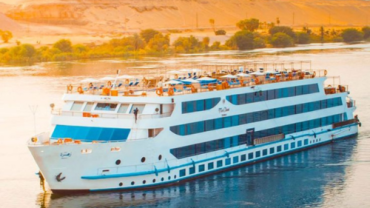
“Unforgettable experience on the Swan. First thing to surprise me was the beauty and comfort of the room, together with the kindness of the personnel, which was outstanding. Spent 4 nights in luxury, with great food, amazing service and cleanliness, and visiting some of the most incredible places in Egypt. Fully recommended!!”
— 506livioc, TripAdvisor, 5.00
“We had a lovely meal here whilst staying at the Hilton, Radwan and Moustafa were super kind and attentive. A big thanks to Amira who cooked the best butter chicken I’ve had in a long time !!!! Literally cleaned the plate with this buttery naan !!!! So so good. Will hit any Indian food cravings 😍!!! Thank you all”
— jallyr2020, TripAdvisor, 5.00
“We ate at the Silk Road restaurant and it was amazing! I didn’t have high expectations initially but the chef, Amira, cooked some amazing food. We were really impressed! Also the service by Radwan and Moustafa was great.”
— B3035SFconnorm, TripAdvisor, 5.00
What to Do in Luxor Egypt Beyond the Headliners
Luxor is not only a checklist city. It’s a place to build a rhythm around the Nile and the banks.
A practical way to think about what to do in Luxor Egypt is to mix one major site block with one lighter block each day.
Ideas that fit naturally between major monuments:
Short Nile-side walks and river views
A slower return visit to Luxor Temple
A second pass through Karnak Temple with a tighter focus
A West Bank morning anchored by the Valley of the Kings, then a reduced afternoon schedule
If you want a full-day extension that stays within the cultural corridor, consider a structured day trip that connects additional temple sites. Our team runs a full-day Luxor to Edfu and Kom Ombo tour as a guided option.
Hot Air Balloon Ride: A Signature Luxor Morning
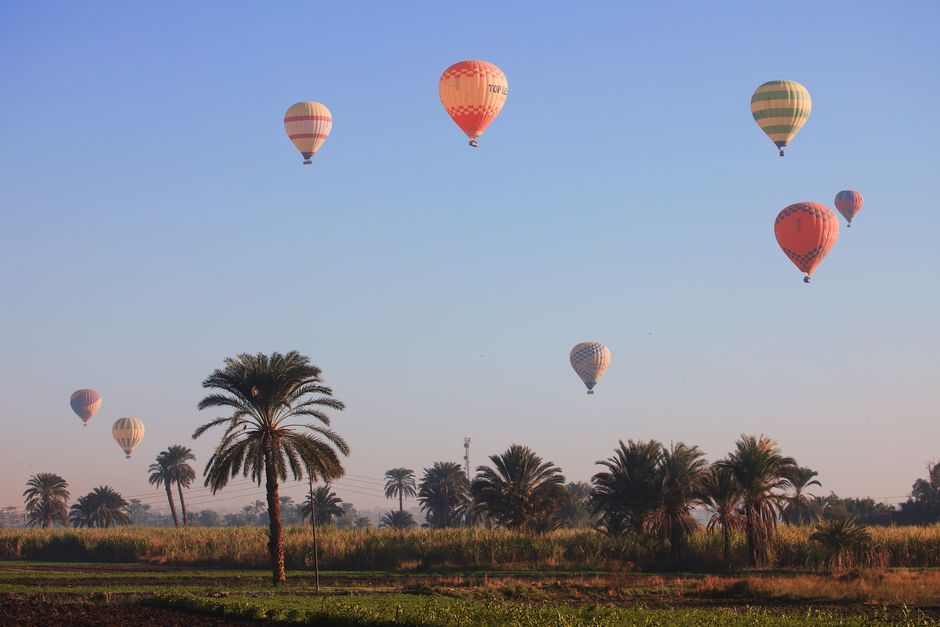
Luxor is known for its famous balloons. The experience is simple to describe and hard to replace: altitude, silence, and a wide view over the Nile corridor.
A hot air balloon ride is typically planned pre-dawn. That early start is part of the value. You get the day’s first light and a calmer atmosphere.
Many itineraries place the hot air balloon ride on a West Bank morning, then continue to tombs and temples afterward.
For photography-minded travelers, the hot air balloon ride gives scale. Fields, river, and desert margins in one frame.
For first-time visitors, the hot air balloon ride also gives orientation. East Bank vs West Bank becomes obvious from above.
We offer this experience as an optional excursion: our Luxor hot air balloon ride.
Best Time to Visit Luxor Egypt for Sightseeing Comfort
Seasonality matters in Upper Egypt. Luxor is an outdoor destination with large open sites and long walking routes.
Our planning baseline for cultural touring is clear: best time to visit Luxor Egypt is typically October through April. Cooler, drier conditions support longer site time and smoother day pacing.
For travelers building a multi-city route, this same window also aligns well with Nile cruise scheduling and classic cultural circuits.
If you are choosing dates inside peak travel periods, plan earlier for key components like cruise cabins and domestic flight seats, where applicable.
A simple seasonal planning grid:
Planning Factor | October–April | Other Months |
|---|---|---|
West Bank mornings | Comfortable starts | Earlier starts matter more |
Balloon scheduling | Strong fit | Still possible, timing becomes more important |
Multi-city itineraries | Smooth cultural flow | More emphasis on pacing |
If you’re comparing Luxor with other Egyptian regions for a longer trip, our broader Egypt travel packages can help you sketch a season-aligned route.
How to Travel Around Luxor Egypt: Banks, Transfers, and Day Structure
Most Luxor logistics come down to one choice: East Bank, West Bank, or across the river.
A practical rule for how to travel around Luxor Egypt is to group sites by bank. Fewer crossings. fewer resets. more time at the monuments.
A second rule: protect mornings. Place your most important block early, especially if you are prioritizing the Valley of the Kings or a hot air balloon ride.
A third rule: keep one flexible window. Luxor rewards second visits, especially to Luxor Temple and Karnak Temple, where a return changes what you notice.
Typical day shapes that work:
East Bank day: Karnak Temple then Luxor Temple
West Bank day: Valley of the Kings then Valley of the Queens
Split day (only if needed): one anchor site per bank, no extras
For travelers continuing south or building a river-based itinerary, a cruise segment can simplify movement while keeping sightseeing integrated. Explore our 7-night Nile cruise Luxor to Aswan option.
Egyptian Culture in Luxor: Living City, Ancient Core
Luxor is not a fenced archaeological zone. It’s a modern city with daily life wrapped around sacred architecture.
That proximity is one reason Luxor feels immediate. You step from streets into Luxor Temple. You move from hotels and promenades into the scale of Karnak Temple.
For many travelers, this is where Egyptian culture becomes tangible. Not as a performance. As a lived setting around heritage.
Guided interpretation helps connect the dots. Dynasties. religious practice. architectural intent. and the long afterlife of these sites.
If your interests extend beyond Luxor into faith-linked heritage themes, consider a wider cultural route like our Holy Family Egypt journey.
Luxor Egypt Travel Tips for a Smooth, Site-First Itinerary
These Luxor Egypt travel tips keep planning simple and site time high.
Pacing and structure:
Keep each day anchored to one major site block
Schedule the Valley of the Kings as a priority morning
Use afternoons for shorter returns to Luxor Temple or selected areas of Karnak Temple
Comfort and focus:
Build short breaks between banks
Confirm in advance if you want a “no-shopping” itinerary structure
Consider an Egyptologist-led approach for deeper context at Karnak Temple and the Valley of the Kings
Responsible choices:
If you prefer to avoid animal-based activities, plan that preference into your itinerary design from the start
Sample Planning Framework: 2 to 4 Days in Luxor
This framework is designed for travelers who want the essentials without rushing.
Trip Length | Core Focus | Suggested Anchors |
|---|---|---|
2 days | Essentials | Karnak Temple, Luxor Temple, Valley of the Kings |
3 days | Essentials + depth | Add Valley of the Queens, second visit to Luxor Temple |
4 days | Essentials + signature experience | Add hot air balloon ride, deeper time at Karnak Temple |
This structure also supports onward routing. Continue to Aswan by road, flight, or Nile cruise depending on your wider itinerary.
Reasons to Visit Luxor Egypt as Part of a Nile Cruise Route
Luxor is a natural start or finish point for Nile cruising. It places major monuments at the edges of the river corridor.
A cruise-based itinerary supports a clean flow:
Luxor embarkation and East Bank touring
West Bank day built around the Valley of the Kings
Sailing days paired with guided shore excursions further south
Luxor also pairs well with slower travel styles, including boutique sailing formats, for travelers who want fewer cabin changes and a calmer pace.
If you want a smaller-ship feel, consider a traditional sailing format like our 4-day Dahabiya Nile cruise Aswan to Esna as part of a wider Upper Egypt plan.

Planning Notes for First-Time Luxor Visitors
Luxor planning becomes easier when you commit to a few decisions early. Bank grouping. morning priorities. and your preferred level of guiding.
If your must-sees are Luxor Temple, Karnak Temple, and the Valley of the Kings, build the trip around those anchors first. Then add.
If you want one iconic experience beyond monuments, add a hot air balloon ride. It fits cleanly into a 3- or 4-day plan.
If you want more context, increase guided interpretation time. Luxor rewards it, especially in the layered spaces of Karnak Temple and the tomb programs of the Valley of the Kings.
Reasons to Visit Luxor Egypt: The Clear Takeaway
Luxor concentrates Egypt’s monumental heritage into a compact, plan-friendly destination. That is the core reason it stays essential on cultural itineraries.
The strongest reasons to visit Luxor Egypt come down to three pillars: East Bank temples, West Bank tomb landscapes, and Nile-based mornings that define the pace of the city.
Build your days around Luxor Temple, Karnak Temple, and the Valley of the Kings. Add the Valley of the Queens for depth. Add a hot air balloon ride for a signature view.
That structure keeps Luxor simple. Focused. and memorable.
[Primary CTA: Start Planing]
Frequently Asked Questions
1. What are the key reasons to visit Luxor, Egypt?
Luxor is renowned for its monumental heritage, often described as the world’s greatest open-air museum. Key attractions include the East Bank’s Luxor Temple and Karnak Temple, and the West Bank’s Valley of the Kings and Valley of the Queens. A hot air balloon ride over the Nile is also a signature experience.
2. When is the best time to visit Luxor, Egypt for sightseeing?
The best time to visit Luxor for sightseeing is from October to April. During this period, the weather is cooler and drier, making it more comfortable for exploring outdoor sites and engaging in cultural tours.
3. How should I plan my itinerary to see the major sites in Luxor?
For a balanced itinerary, focus each day on one major site block. Start with Luxor Temple on your arrival day, followed by Karnak Temple for a full sightseeing day. On the West Bank, prioritize the Valley of the Kings in the morning, and add mortuary temples and the Valley of the Queens as time allows.
4. What is the experience of a hot air balloon ride in Luxor like?
A hot air balloon ride in Luxor offers a serene and panoramic view of the Nile corridor at dawn. It provides a unique perspective of the East and West Banks, making it an ideal experience for first-time visitors and photography enthusiasts.
5. How can I travel around Luxor efficiently?
Travel around Luxor by grouping visits to sites on the same bank to minimize river crossings. Prioritize morning visits for major sites like the Valley of the Kings or a hot air balloon ride, and keep a flexible slot for revisiting key temples like Luxor Temple and Karnak Temple.
6. What cultural experiences can I expect in Luxor?
Luxor offers a blend of ancient and modern Egyptian culture. The city is not a separate archaeological zone but an active urban area where daily life intertwines with historical sites, allowing travelers to experience Egyptian culture in a lived setting around heritage landmarks.
7. Are there any recommended day trips from Luxor?
For a full-day cultural extension, consider a guided day trip from Luxor to Edfu and Kom Ombo, which connects additional temple sites and complements the main heritage attractions in Luxor.

Comment (0)