

for Cultural Experiences and Nile Cruises Luxor and Aswan Temple Guide
At a Glance
Luxor’s East Bank features monumental temples, while the West Bank showcases royal tombs.
Aswan offers a mix of island sanctuaries and Nubian culture.
Nile cruises connect Luxor and Aswan efficiently, with daily excursions.
Key sites include Karnak, Luxor Temple, Philae, Edfu, and Kom Ombo.
Best visit time is October to April for cooler, drier weather.
Cultural experiences in Luxor and Aswan start with the river and radiate outward—temples on the East Bank, royal tombs on the West Bank, and island sanctuaries in Aswan. With Grace Way Travel, we build days around context, pacing, and expert interpretation, so ancient Egyptian temples feel coherent rather than crowded.
This guide focuses on what to do in Luxor and Aswan when temples are the priority. Site-by-site highlights. Practical timing. Tour formats that fit families, private travelers, and small groups. A Nile cruise rhythm that makes sense.
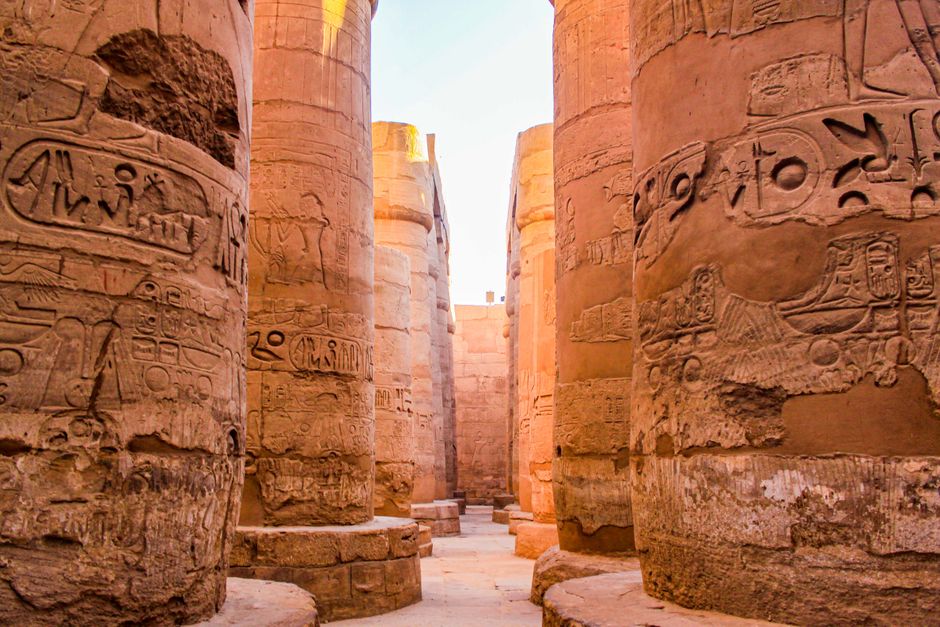
Cultural experiences in Luxor and Aswan: the big-picture map
Luxor attractions cluster into two banks.
East Bank: monumental temple complexes and night-lit avenues.
West Bank: tomb valleys and mortuary temples.
Aswan tourism is different in tone. More islands. More water crossings. More Nubian culture alongside the Pharaonic story.
A classic Nile cruise connects these regions with daily shore excursions. It’s also the simplest way to keep transfers efficient while visiting multiple ancient Egyptian temples in one trip.
Luxor East Bank essentials: Karnak and Luxor Temple
Karnak Temple complex is the anchor for most Luxor attractions. It rewards slow walking and a guide who can translate scale into meaning.
Luxor Temple is the East Bank counterpoint. More compact. More immediate. A strong choice for late afternoon or evening, when the atmosphere shifts and stone feels warmer.
Planning note: we usually group these East Bank visits close together to reduce drive time and keep the story continuous.
If you want a structured way to combine temple time with river travel, start with our Nile cruise options: 4-night cruise from Luxor to Aswan with sightseeing.
Luxor West Bank: royal tombs and mortuary temples
West Bank days are about early starts and deliberate pacing.
Valley of the Kings: royal tomb art, engineering, and belief systems in one concentrated landscape.
Valley of the Queens: a complementary stop for travelers who want a wider view of elite burial traditions.
Mortuary temples: the architecture of power—built for memory, ritual, and visibility.
For families, we keep West Bank routing simple and build in breaks. For history enthusiasts, we expand interpretation and add time where it matters.
Nile cruise rhythm: how temple days actually flow
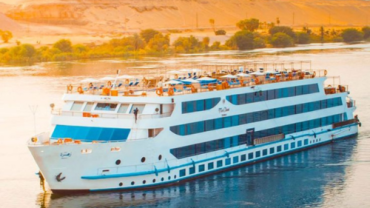
A Nile cruise is not just transportation. It’s a daily structure.
Mornings: shore visits before heat and crowds build.
Midday: sailing time, meals, downtime.
Afternoons: a second site visit or arrival logistics.
Evenings: onboard rest and reset.
This rhythm supports cultural experiences in Luxor and Aswan because it reduces packing/unpacking and keeps the itinerary cohesive. It also creates natural buffers for travelers who want a calmer pace.
For a longer, classic format, consider: 7-night Nile Cruise Luxor–Aswan.
“Unforgettable experience on the Swan. First thing to surprise me was the beauty and comfort of the room, together with the kindness of the personnel, which was outstanding. Spent 4 nights in luxury, with great food, amazing service and cleanliness, and visiting some of the most incredible places in Egypt. Fully recommended!!”
— 506livioc, TripAdvisor, 5.00
“We ate at the Silk Road restaurant and it was amazing! I didn’t have high expectations initially but the chef, Amira, cooked some amazing food. We were really impressed! Also the service by Radwan and Moustafa was great.”
— B3035SFconnorm, TripAdvisor, 5.00
“Excellent food and excellent service by Ragab. Can only recommend!”
— 130micha_lm, TripAdvisor, 5.00
Edfu and Kom Ombo: iconic temple stops between Luxor and Aswan
Between the two cities, the Nile corridor delivers two of the most visited ancient Egyptian temples on cruise routes.
Edfu: a major temple stop often paired with a straightforward visit plan.
Kom Ombo: a distinctive riverside setting that fits well into late afternoon timing.
These are classic Nile cruise shore excursions because they sit naturally on the sailing path and break up the journey with high-impact architecture.
For a dedicated day format that bundles both, we use: full-day Luxor to Edfu and Kom Ombo tour.
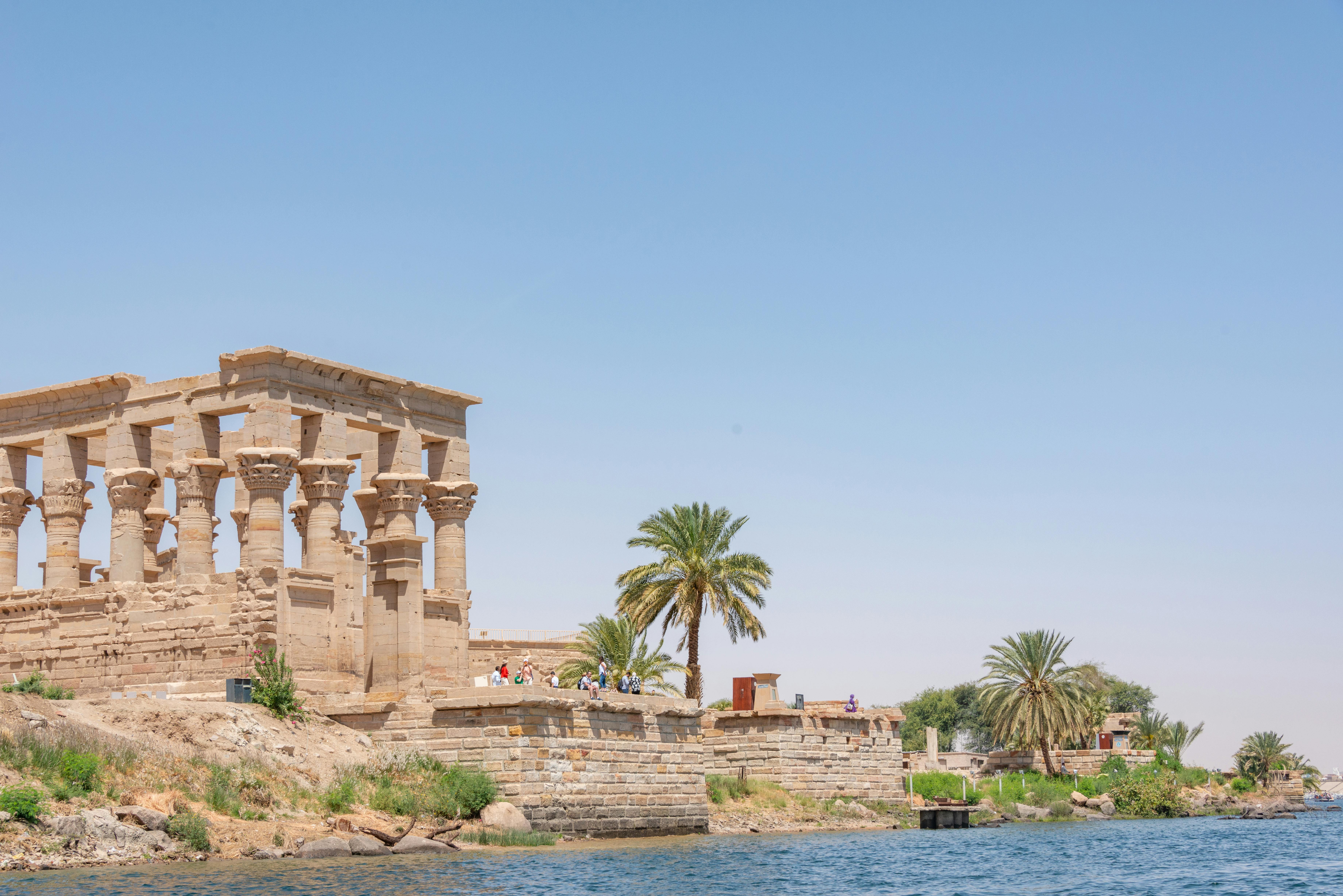
Aswan temple circuit: Philae, the High Dam, and island crossings
Aswan tourism often starts with water.
Philae Temple complex: an island setting that changes the entire experience—approach, arrival, and atmosphere.
High Dam: a modern landmark that frames the Nile’s contemporary story and helps travelers understand today’s river management.
These work well as a single day because transfers are efficient and the narrative is clear: sacred island heritage plus modern infrastructure.
For official background on Egypt’s site stewardship and cultural framework, we reference the Ministry of Tourism and Antiquities portal.
Abu Simbel from Aswan: planning the signature excursion
Abu Simbel is commonly added from Aswan by road or air. It is typically treated as a dedicated excursion because distance and timing matter.
Operational approach we use:
Confirm timing early in the planning process
Keep the day focused—no overloaded add-ons
Build recovery time back in Aswan or onboard the Nile cruise
For travelers who want this handled privately end-to-end, we offer: private Abu Simbel day trip from Aswan.
Nubian culture in Aswan: community-based heritage encounters
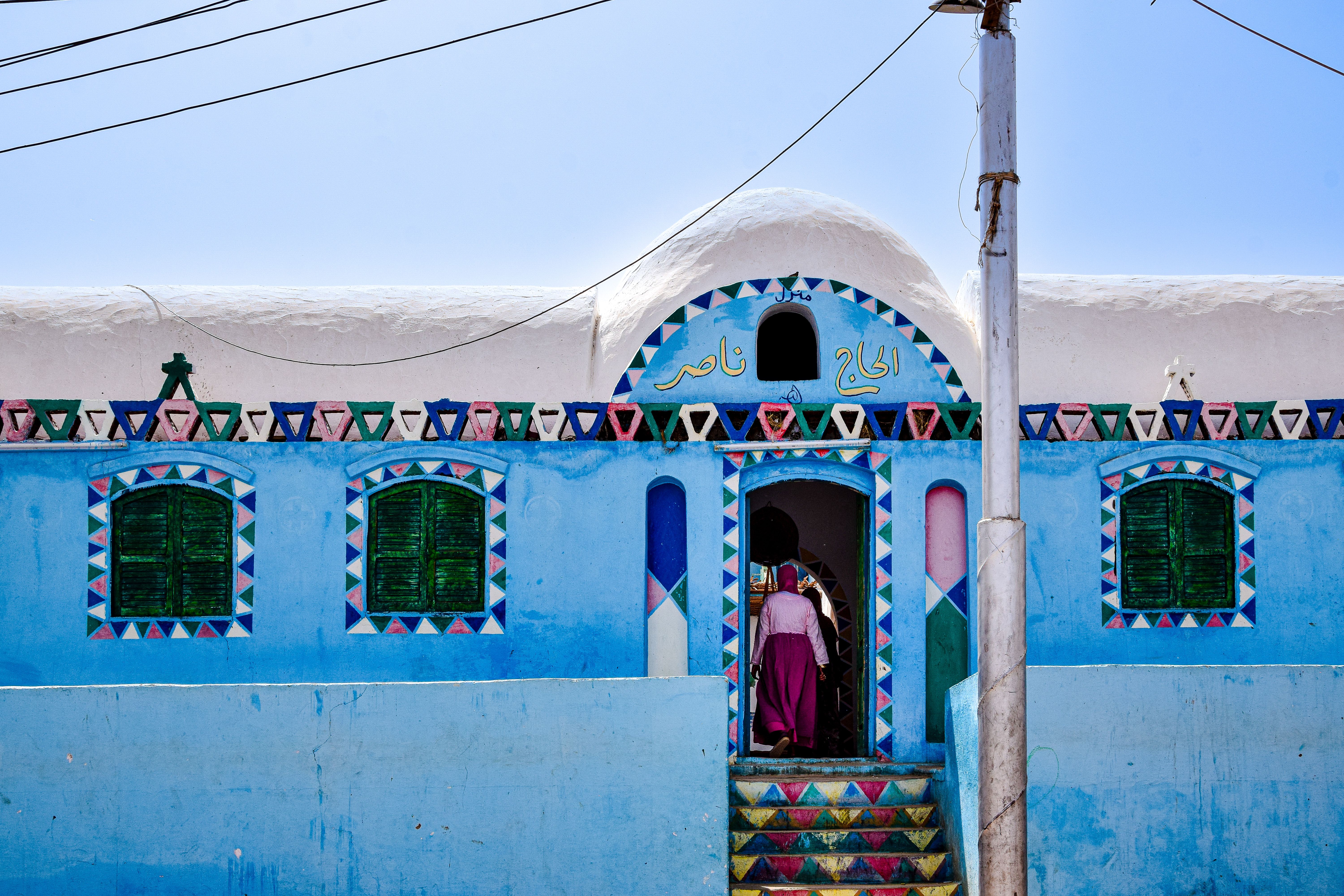
Nubian culture is a core part of Aswan tourism when you want living heritage alongside temples.
Expect:
Community setting and local context
Crafts, music, and culinary touchpoints (when available in the day’s flow)
A cultural exchange approach—respectful and unhurried
This is one of the most meaningful cultural experiences in Luxor and Aswan because it connects history to present-day identity.
Our dedicated experience is here: Nubian Village cultural visit in Aswan.
Best time to visit Luxor and Aswan for temple-focused travel
For cultural tours and Nile cruises, our seasonal guidance is clear.
Best months: October to April. Cooler, drier conditions. Better for outdoor site visits.
Peak periods can increase demand for Nile cruise cabins and domestic flights. For temple-first itineraries, we plan early so the schedule stays clean and the pacing stays comfortable.
How we structure family-friendly temple days
Families can do Luxor attractions and Aswan tourism smoothly with the right rhythm.
We prioritize:
Shorter site blocks with clear “why it matters” storytelling
Midday breaks when heat rises
Simple routing with fewer transfers
Optional upgrades when attention spans allow (extra museum time, specialist guide briefings)
This approach keeps Egyptian culture present without turning the trip into a lecture.
Tour formats that fit different travel styles (table)
Choose the structure first. Then stack sites.
Travel Style | Best Fit | Why It Works In Luxor & Aswan |
|---|---|---|
First-time cultural travelers | 3–5 night Nile cruise | Efficient route + daily shore excursions |
Couples who want slow travel | Dahabiya sailing | Smaller scale + flexible shore stops |
Families | Private tailor-made itinerary | Pacing control + simpler logistics |
History enthusiasts | Egyptologist-led program | Deeper interpretation at ancient Egyptian temples |
Time-sensitive travelers | Domestic flight + focused touring | Maximizes temple time in fewer days |
What to do in Luxor and Aswan: a clean 3-day, 5-day, and 9-day framework
These frameworks are modular. We adjust them into private tours, small-group programs, or cruise-first itineraries.
3 days: Luxor highlights + quick Aswan finish
Day 1: Luxor East Bank (Karnak, Luxor Temple)
Day 2: Luxor West Bank (tombs + mortuary temples)
Day 3: Aswan (Philae + High Dam)
5 days: classic Nile cruise structure
Day 1: Embark in Luxor + Karnak
Day 2: Luxor West Bank + sail
Day 3: Edfu / Kom Ombo stops
Day 4: Aswan (Philae + High Dam)
Day 5: Optional Abu Simbel as a dedicated excursion
9 days: Cairo add-on for a full cultural arc
Days 1–3: Cairo & Giza highlights
Days 4–8: Nile cruise Luxor–Aswan with shore excursions
Day 9: Abu Simbel or additional Aswan cultural time
This is one of the most balanced ways to plan cultural experiences in Luxor and Aswan without rushing.
On-the-ground tips that protect time, comfort, and context
Small choices improve the entire trip.
Start early for West Bank and long-distance days
Confirm “no-shopping” routing in advance if you prefer a museum-and-temple focus
Decline animal-based activities if they don’t fit your travel style
Build buffer time between major sites for water, shade, and reset
Use a licensed guide for interpretation-heavy temples and tombs
These are practical travel habits, but they also protect the experience of Egyptian culture in real time.

Decision point: choose the Nile cruise style that matches your trip
If your priority is ancient Egyptian temples with minimal logistics friction, a Nile cruise is the core. Then we tailor the edges: Abu Simbel, Nubian culture, and any Cairo or Red Sea extensions.
[Primary CTA: Ready to explore the ancient temples of Luxor and Aswan?]
[Secondary CTA: Contact Grace Way Travel today to plan your private, unforgettable Egyptian adventure!]
Cultural experiences in Luxor and Aswan, delivered as a coherent journey
The best Luxor attractions and the strongest Aswan tourism days share one trait: a clear storyline. Temples first. Human context always. A Nile cruise schedule that supports depth, not speed.
That’s how we design cultural experiences in Luxor and Aswan—temple visits with structure, expert guidance, and room to absorb Egyptian culture and Nubian culture without rushing.
Frequently Asked Questions
1. What are the best months to visit Luxor and Aswan for temple-focused travel?
The best months to visit Luxor and Aswan for temple-focused travel are from October to April. During this period, the weather is cooler and drier, making it more suitable for outdoor site visits. This season also helps in avoiding the peak heat, which can be challenging during temple tours.
2. How does a Nile cruise enhance the cultural experience in Luxor and Aswan?
A Nile cruise enhances the cultural experience by providing a structured daily routine that includes morning shore visits before crowds and heat build-up, followed by midday sailing and downtime, and concluding with afternoon site visits or logistics. This setup reduces the need for packing and unpacking, ensuring a seamless itinerary that supports cultural immersion without rushing.
3. What are the differences between Luxor and Aswan in terms of attractions?
Luxor attractions are divided between the East Bank, featuring monumental temple complexes like Karnak and Luxor Temple, and the West Bank, which includes royal tombs and mortuary temples. Aswan, on the other hand, offers a different experience with more islands, water crossings, and a blend of Nubian culture alongside Pharaonic heritage, making it distinct in tone and offerings.
4. How should families plan their temple visits in Luxor and Aswan?
For family-friendly temple visits, it is recommended to plan shorter site blocks with engaging storytelling, take midday breaks to avoid the heat, simplify routing with fewer transfers, and consider optional upgrades like extra museum time if the attention span allows. This approach ensures that families can enjoy the cultural experiences without feeling overwhelmed.
5. What is the significance of the Aswan temple circuit, including Philae and the High Dam?
The Aswan temple circuit, including the Philae Temple complex and the High Dam, offers a unique blend of sacred island heritage and modern infrastructure. Philae’s island setting provides a distinctive experience of approach and atmosphere, while the High Dam highlights the Nile’s contemporary management. These sites can efficiently be visited in a single day, providing a coherent narrative of Aswan’s cultural and historical significance.
6. Why is Abu Simbel considered a signature excursion from Aswan?
Abu Simbel is considered a signature excursion from Aswan due to its iconic status and the distance involved in reaching the site. Typically, it is treated as a dedicated trip, requiring careful planning to ensure a focused day without unnecessary add-ons. Recovery time is usually built in back in Aswan or onboard the Nile cruise to maintain a comfortable travel pace.

Comment (0)